Abraham
“Abraham, thou art one of them; thou wast chosen before thou wast born.” The Lord to Abraham, Abr. 3:23
The Book of Abraham is, in the words of its headnote, “the writings of Abraham while he was in Egypt.” Joseph Smith began translating it in 1835, after the Church obtained some Egyptian papyri, and it was first published in Nauvoo in 1842. In it Abraham tells how he sought the blessings of the fathers, how Jehovah delivered him from the priest of Elkenah, and how the Lord covenanted with him at Haran. He is shown the stars and the spirits that “were organized before the world was,” and the book ends with the Creation as the Gods planned it.
Chapters 1 and 2 run beside Genesis 11 and 12, and chapters 4 and 5 beside Genesis 1 and 2 and Moses 2 and 3, all of which are on this site. This companion goes through all five chapters and gives its attention to what the Book of Abraham has that those do not, linking to them for the rest. It tries to anticipate the questions a careful reader asks: Who is speaking? What does this add to Genesis? Where did this book come from? Where is Christ in this?
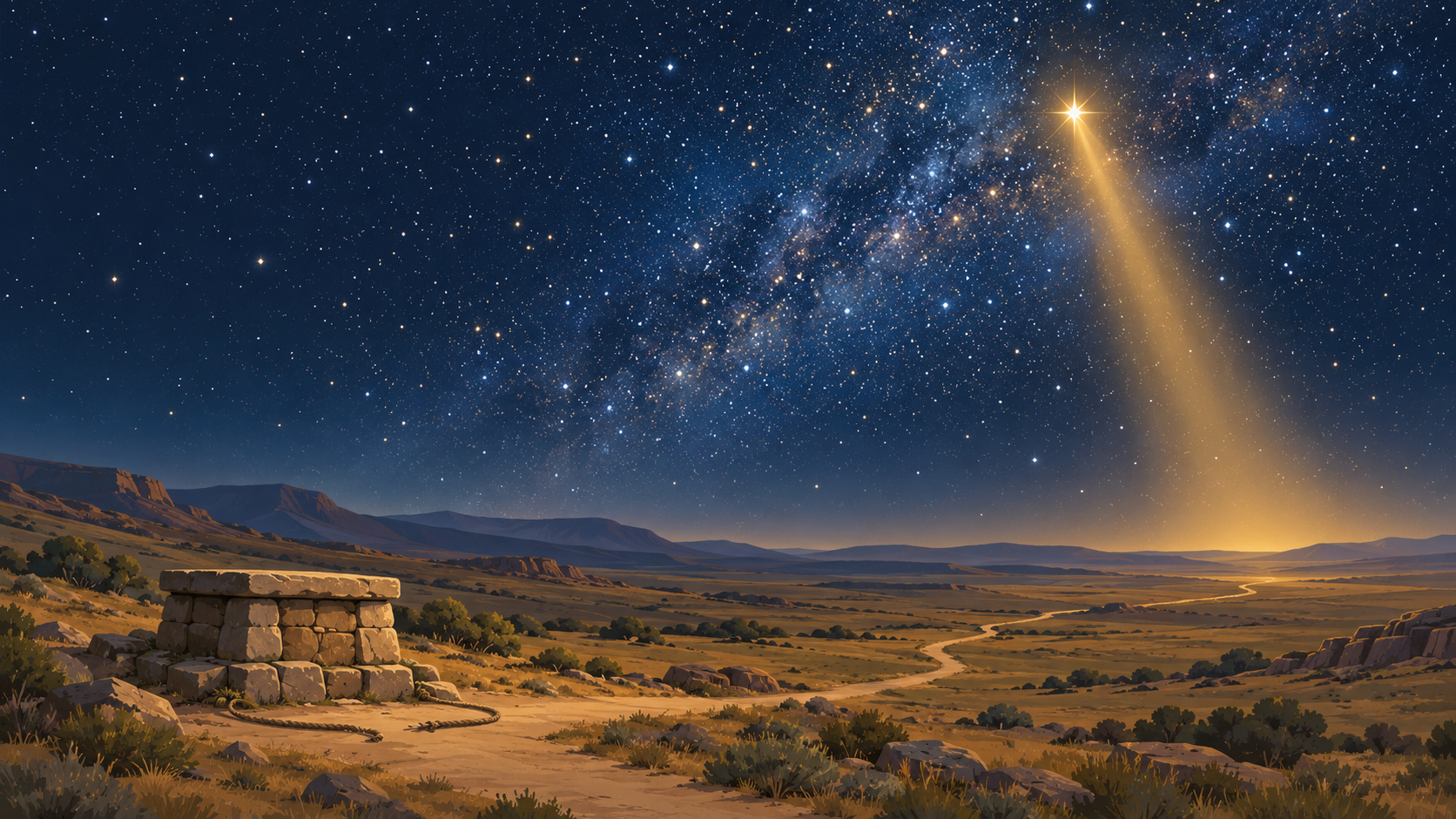
The chapters
Chapters 1 and 2 tell in Abraham’s own voice what Genesis 11 and 12 tell briefly. Chapter 3 has no counterpart in Genesis, and chapters 4 and 5 tell the Creation again as the work of the Gods.
From Ur to Egypt
Abraham seeks the blessings of the fathers and is saved by Jehovah from the altar of the false priests. At Haran the Lord covenants with him, and he goes on through Canaan toward Egypt.
- 1 Abraham and the Priest of Elkenah Abraham seeks the priesthood of the fathers, is bound on an idolatrous altar in Chaldea, and is delivered by Jehovah.
- 2 The Covenant at Haran Abraham leaves Ur with a father who turns back to idols, hears the Lord state the covenant in His own words, and is told what to say of Sarai on the road to Egypt.
The Stars and the Council
By the Urim and Thummim Abraham learns of the sun, moon, and stars. The Lord shows him the spirits who lived before the world was, the choosing of a Redeemer, and the second estate.
The Gods Plan the Creation
The Gods plan the creation of the earth and all life on it, and bring it to pass as They planned. Adam names every living creature.
- 4 The Six Times of Creation The Gods go down, organize the heavens and the earth, and set forth six times of creation, watching what they order until it obeys.
- 5 The Creation Brought to Pass The Gods rest on the seventh time as they had counseled, come down and put the man in the garden, and a help meet is found for Adam.
The facsimiles
Three pictures were printed with the book in 1842, each with Joseph Smith’s explanation of its numbered figures. Here each plate is shown as the 1921 edition printed it, with that edition’s explanation.
-
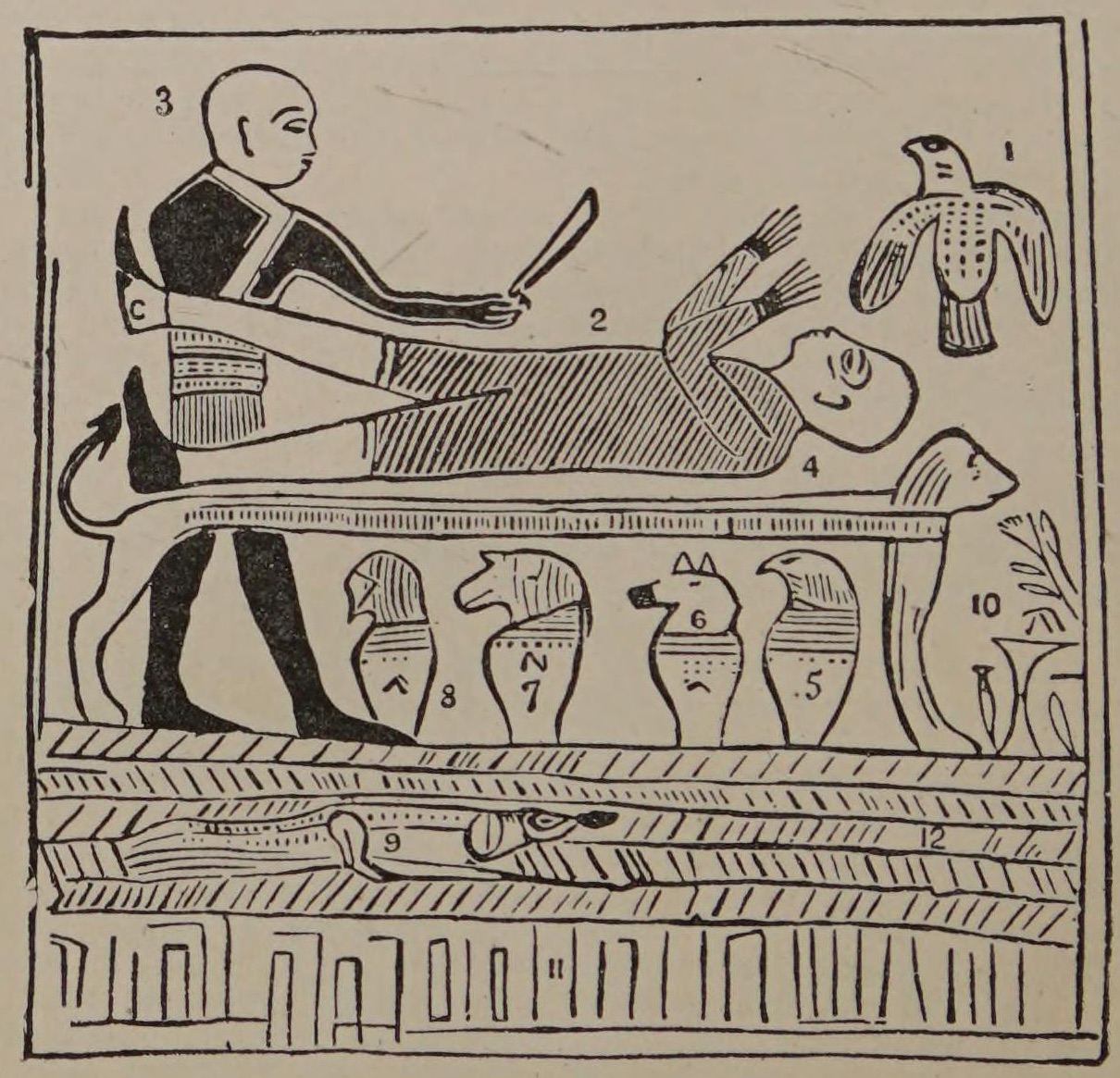 Facsimile 1
Abraham on the Altar
The picture Abraham points to in the first chapter: the altar, the priest of Elkenah, and the angel of the Lord.
Facsimile 1
Abraham on the Altar
The picture Abraham points to in the first chapter: the altar, the priest of Elkenah, and the angel of the Lord.
-
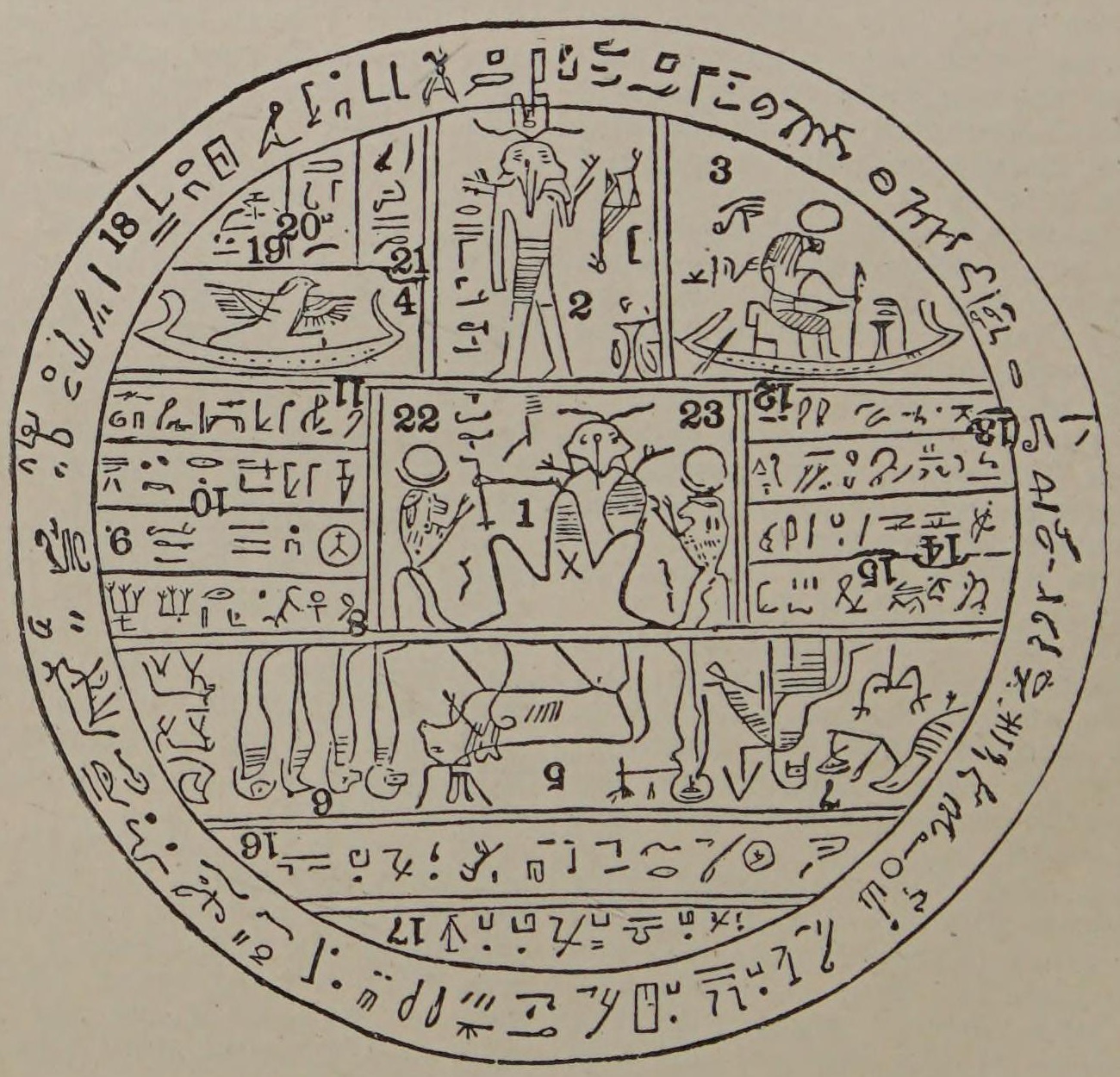 Facsimile 2
Kolob and the Governing Ones
A round plate whose explanation names Kolob, the measuring of time, and things that “cannot be revealed unto the world.”
Facsimile 2
Kolob and the Governing Ones
A round plate whose explanation names Kolob, the measuring of time, and things that “cannot be revealed unto the world.”
-
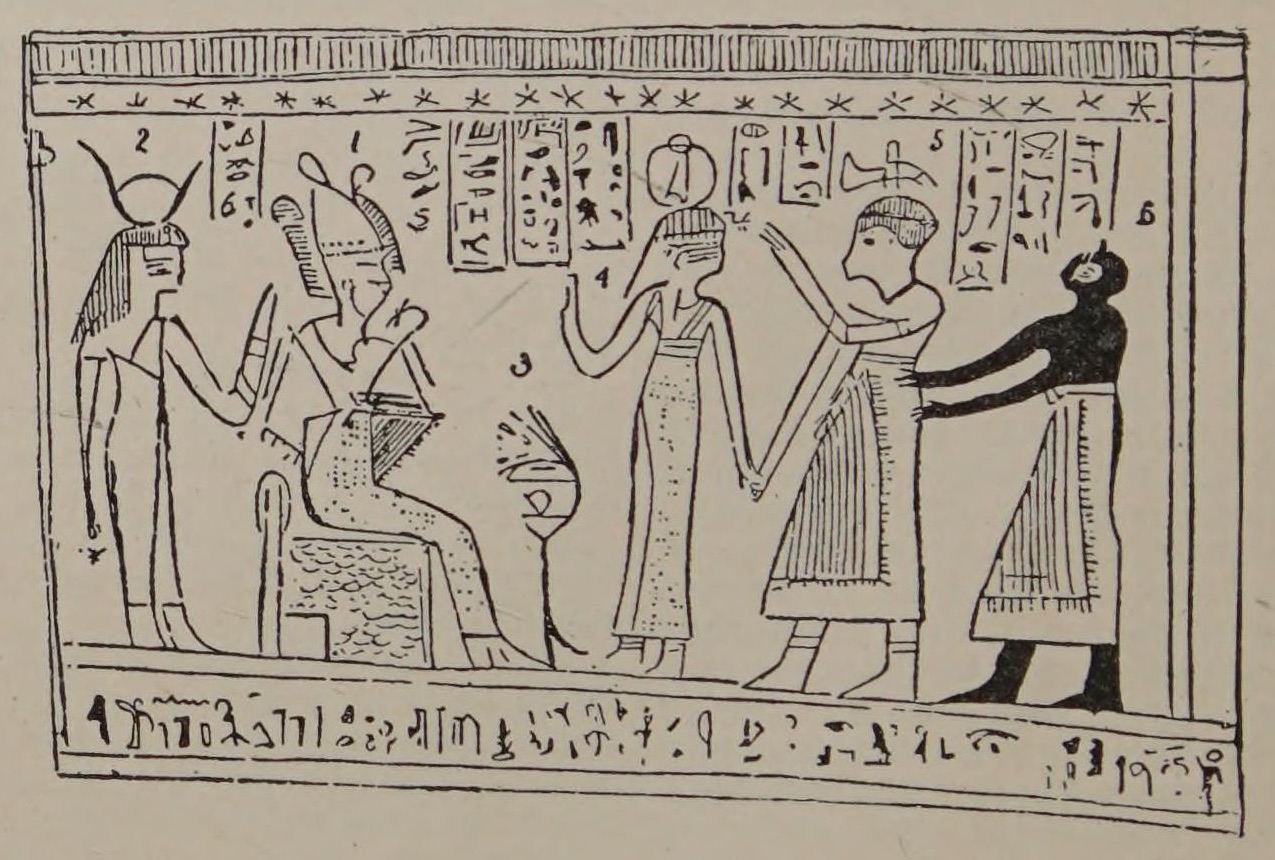 Facsimile 3
Abraham in the King’s Court
A court scene, explained as Abraham “reasoning upon the principles of Astronomy, in the king’s court.”
Facsimile 3
Abraham in the King’s Court
A court scene, explained as Abraham “reasoning upon the principles of Astronomy, in the king’s court.”
Beloved passages
Most-used sources
Every note cites its sources. These are the ones this commentary leans on most.
- Moses 1; Abraham 3, Scripture Helps: Old Testament (2025).