This guide covers Judah from Manasseh to Cyrus's taking of Babylon. Judah had been tributary to Assyria in Manasseh's day.1 Assyria fell,2 and Judah was “caught in the power struggle between Egypt and Babylonia.”3 Nebuchadnezzar took Jerusalem in stages and carried its people to Babylon, where they lived until Persia conquered the empire in 539 BC.4 The return from exile belongs to the next period. For the whole sweep see A Timeline of the Old Testament.
The map
Rulers and events
All dates are approximate; where they differ, the table gives each.
| Date (BC) | Who | What happened | Read |
|---|---|---|---|
| 686–642 | Judah: Manasseh | Reigned 55 years from the age of twelve; rebuilt the idolatrous places, put idols in the temple and shed much innocent blood;5,1 Chronicles adds that he repented6 | 2 Kgs. 21:1–18; 2 Chr. 33:1–20 |
| 642–640 | Judah: Amon1 | “The servants of Amon conspired against him, and slew the king in his own house”5 | 2 Kgs. 21:19–26 |
| 640–609 (or 641–610) | Judah: Josiah | The book of the law is found in the temple; a thorough reformation;5,7 killed at Megiddo by Necho in 6098 | 2 Kgs. 22–23; 2 Chr. 34–35 |
| 612, 609, or about 607 or 606 | Assyria: Nineveh | Falls to the Medes and Babylonians9,3,2,10 | Zeph. 2:13 |
| 609 | Judah: Jehoahaz, then Jehoiakim (609–597 or 598)1,8 | Jehoahaz reigns three months and is taken to Egypt; Egypt sets his brother Jehoiakim on the throne3,8 | 2 Kgs. 23:31–35 |
| 605 | Babylon: Nebuchadnezzar II (605–562 or 604–561)11,12 | Defeats Necho at Carchemish;2 Jehoiakim becomes his vassal1 but after three years rebels5 | Jer. 46:2; 2 Kgs. 24:1 |
| beginning of the sixth century | Daniel taken13 | “In the third year of the reign of Jehoiakim king of Judah came Nebuchadnezzar king of Babylon unto Jerusalem, and besieged it” (Dan. 1:1) | Dan. 1 |
| 597 (or 598) | Judah: Jehoiachin | Reigns three months, is deposed, and is exiled with thousands;8,14 Ezekiel is among them15 | 2 Kgs. 24:8–17 |
| 597 | Judah: Zedekiah (to 587 or 586)8,10 | Nebuchadnezzar “appointed a king of his own choice”;16 in his first year Lehi is at Jerusalem5 | 2 Kgs. 24:17; 1 Ne. 1:4 |
| 587 or 5868,10 | Babylon: Nebuzar-adan | After a siege, burns “the house of the Lord, and the king's house”;5 Zedekiah's sons are slain,11 and leaders are put to death at Riblah5 | 2 Kgs. 25:1–21 |
| 597, 587, 582 | The deportations | Jeremiah counts 4,600 deported in the three17 | Jer. 52:28–30 |
| after 587 | Gedaliah | Made ruler of the remnant, then slain by Ishmael at Mizpah; the people flee to Egypt for fear of the Chaldees5 | 2 Kgs. 25:22–26; Jer. 40–43 |
| 561 | Babylon: Evil-merodach | Lifts up Jehoiachin “out of prison”5 (the Bible Chronology table: “captivity relaxed”)10 | 2 Kgs. 25:27–30 |
| 539 or 538 | Persia: Cyrus | Takes Babylon4,18 and overthrows the Chaldean dynasty, whose last king was Nabonidus; Nabonidus's son Belshazzar was commander-in-chief19 | 2 Chr. 36:22–23 |
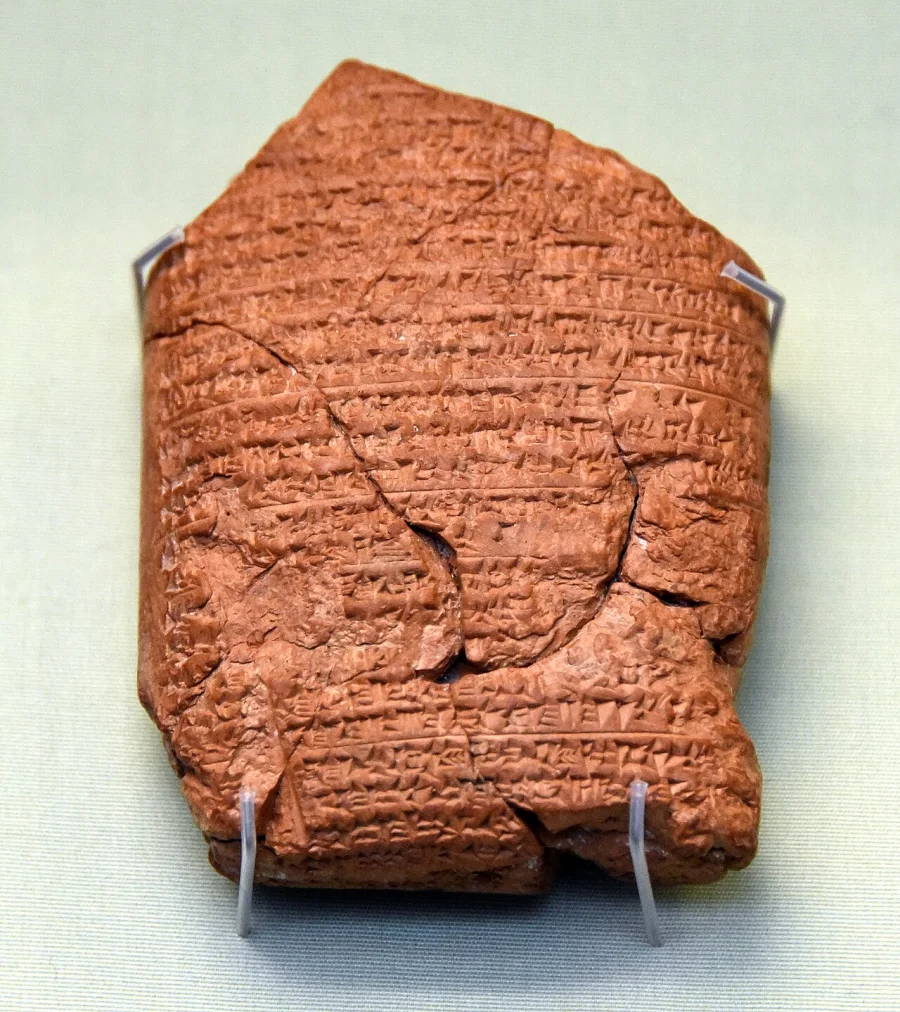
The nations
| Nation | Who and where | With Judah |
|---|---|---|
| Babylon (Chaldea) | The capital of Babylonia; Chaldea was the part south and east of Babylon20,21 | Nebuchadnezzar subdued Judah, besieged Jerusalem and took it12 |
| Egypt | Necho slew Josiah at Megiddo;22 Apries, “Pharaoh Hophra,” offered help later2 | Egypt made Judah its vassal;2 Hophra is to be given to his enemies as Zedekiah was (Jer. 44:30) |
| Media | Between the Caspian Sea and Elam23 | King Cyaxares joined Nabopolassar in overthrowing Nineveh;23 “the Lord hath raised up the spirit of the kings of the Medes” against Babylon (Jer. 51:11) |
| Assyria | Judah's overlord in Manasseh's day1 | Nineveh fell to the Medes and Babylonians;2 Egypt marched north to help its ally Assur-uballit II of Assyria8 |
| Edom | South of the Dead Sea; “great mutual hatred” with Israel24 | Obadiah says Edom “wast as one of them” when strangers entered Jerusalem (Obad. 1:11); the Bible Dictionary dates that capture to 586 or to Jehoram's day25 |
| Ammon and Moab | Moab east of the Dead Sea;26 Ammon east of Mount Gilead27 | The Lord sent bands of Moabites and Ammonites against Judah (2 Kgs. 24:2); Gedaliah was warned that Baalis king of the Ammonites had sent Ishmael to slay him (Jer. 40:14) |
| Tyre | An important commercial and seaport town of Syria28 | “I will bring upon Tyrus Nebuchadrezzar king of Babylon” (Ezek. 26:7); Jer. 27:3 |
| Persia | Its empire reached “from Afghanistan to the Mediterranean”18 | Cyrus united the Medes and Persians and conquered Babylon18 |
The books of this period
- 2 Kgs. 21–25 and 2 Chr. 33–36: the history from Manasseh to the fall and Cyrus's decree.
- Zephaniah in Josiah's reign,29 Nahum, probably written between the fall of Thebes (about 660) and the fall of Nineveh,30 and Habakkuk, whose date is uncertain, possibly Josiah's or Jehoiakim's.31
- Jeremiah, 626–586 BC;32 Lamentations, written some years after the fall.33 For reading Jeremiah, see How to Read Jeremiah.
- Ezekiel, a priest carried to Babylon in about 597 who prophesied there from about 592 to 57034 (also dated about 593–573);35 Daniel, who “prophesied within the royal courts of Babylon.”34
- Obadiah, dated either to Jehoram's day or, more probably, after 586.25
- 1 Ne. 1: “in the commencement of the first year of the reign of Zedekiah” (1 Ne. 1:4). The Lord warned Lehi to flee before the city was destroyed.11 The Introduction to the Book of Mormon says the family came from Jerusalem in 600 B.C.;5 proposed dates for the departure range from 605 to 588, many of them 597–596,36 and one is November 605.37
Sources
- Enrichment A: The Divided Kingdoms, Old Testament Student Manual: 1 Kings–Malachi (2003). a b c d e f
- “Assyria and Babylonia”, Bible Dictionary. a b c d e f g h
- Enrichment G: Babylonia and the Conquest of Judah, Old Testament Student Manual: 1 Kings–Malachi (2003). a b c
- Ezra 1; 3–7; Nehemiah 2; 4–6; 8, Scripture Helps: Old Testament. a b
- The Holy Scriptures (Latter-day Saint editions), text and chapter headings, The Church of Jesus Christ of Latter-day Saints. a b c d e f g h i j
- Kevin L. Tolley, “The Imprisonment of Jeremiah in Its Historical Context”, Religious Educator 20, no. 3 (2019): 97–113. a
- “Josiah”, Bible Dictionary. a
- Aaron P. Schade, “The Kingdom of Judah: Politics, Prophets, and Scribes in the Late Preexilic Period”, In Glimpses of Lehi’s Jerusalem, ed. John W. Welch, David Rolph Seely and Jo Ann H. Seely (Provo, UT: FARMS, 2004); read in the Scripture Central archive. a b c d e f g
- Old Testament Geography, Scripture Helps: Old Testament. a
- “Chronology of the Old Testament”, Bible Dictionary, “Bible Chronology”. a b c d
- 2 Kings 16–25, Scripture Helps: Old Testament. a b c
- “Nebuchadnezzar, Nebuchadrezzar”, Bible Dictionary. a b
- Daniel 1–7, Scripture Helps: Old Testament. a
- “Jehoiachin”, Bible Dictionary. a
- “Ezekiel”, Bible Dictionary. a
- Scripture Central, “Why Do Extra-Biblical Sources Matter?”, KnoWhy #860 (July 7, 2026). a b
- Richard D. Draper, “The Prophets of the Exile: Saviors of a People”, In Sperry Symposium Classics: The Old Testament, ed. Paul Y. Hoskisson (Provo and Salt Lake City: Religious Studies Center, Brigham Young University, and Deseret Book, 2005), 245–265. a
- “Persia”, Bible Dictionary. a b c
- “Cyrus”, Bible Dictionary. a
- “Babylon or Babel”, Bible Dictionary. a
- “Chaldea”, Bible Dictionary. a
- “Necho”, Bible Dictionary. a
- “Media”, Bible Dictionary. a b
- “Edom”, Bible Dictionary. a
- “Obadiah”, Bible Dictionary. a b
- “Moab”, Bible Dictionary. a
- “Ammon, Ammonites”, Bible Dictionary. a
- “Tyre”, Bible Dictionary. a
- “Zephaniah”, Bible Dictionary. a
- “Nahum”, Bible Dictionary. a
- “Habakkuk”, Bible Dictionary. a
- “Jeremiah”, Bible Dictionary. a
- “Lamentations, book of”, Bible Dictionary. a
- Ezekiel 1–3; 33–34; 36–37; 47, Scripture Helps: Old Testament. a b
- Scripture Central, “How Did Jacob’s and Ezekiel’s Peoples Each Respond to Exile?”, KnoWhy #719. a
- Scripture Central, “When Did Lehi Leave Jerusalem?”, KnoWhy #475 (August 21, 2019). a
- Jeffrey R. Chadwick, “Dating the Departure of Lehi from Jerusalem”, BYU Studies Quarterly 57, no. 2 (2018). a